
Las Vegas Housing Market 2026 (Mid-Year)
Written by Graham Team · Graham Team Real Estate Advisors — Henderson & Las Vegas, NV · Contact
Navigate the Las Vegas housing market with confidence. Our Mid-Year 2026 report reveals why home prices have stalled and what it means for your next…
Why Home Prices Have Stalled—and What Comes Next
Our team speaks with many prospective homebuyers and sellers every week about the health of the Southern Nevada housing market. One of the biggest surprises for most people is learning that the median home price has remained remarkably stable since May 2024.
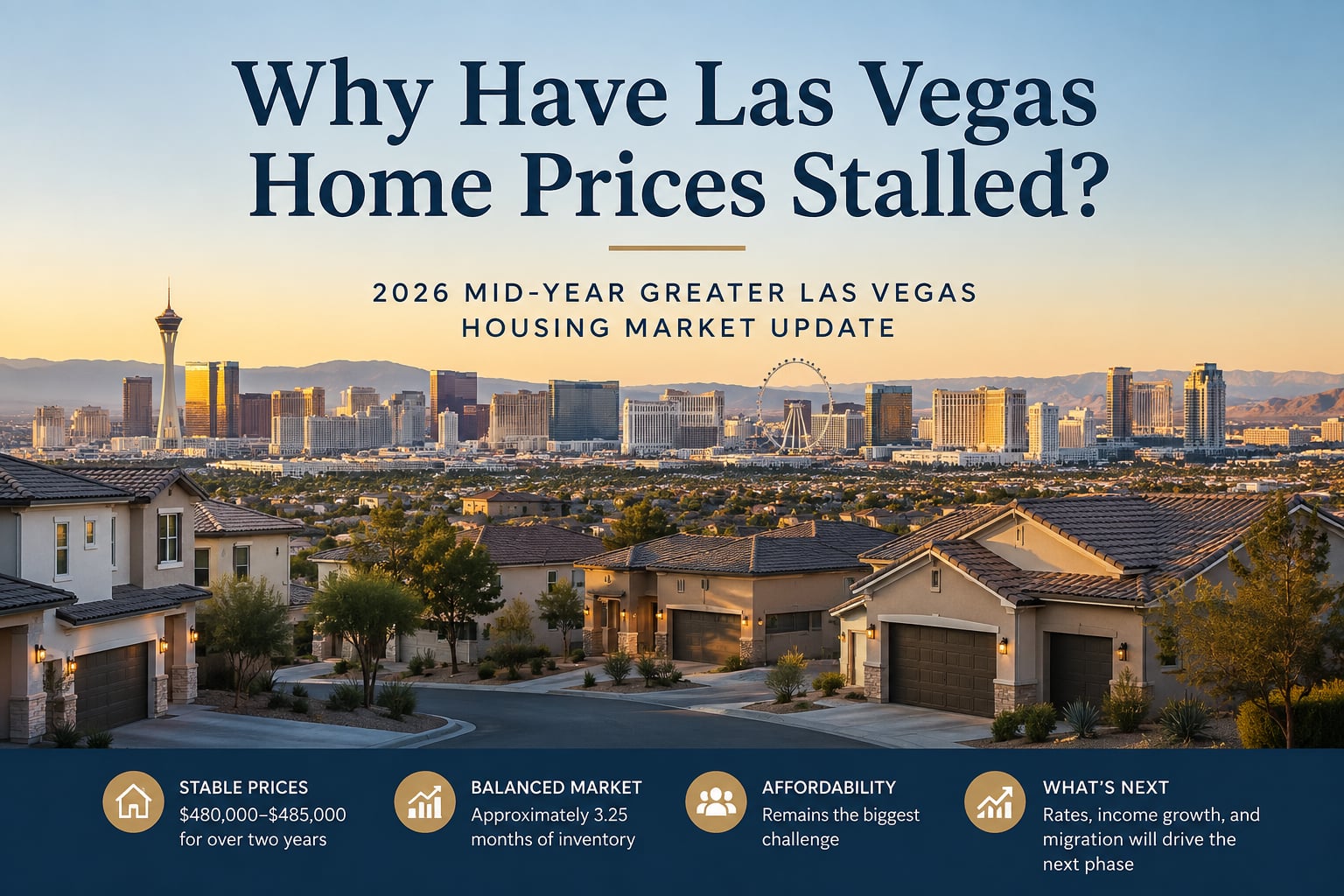
For more than two years, the median sales price has fluctuated between approximately $480,000 and $485,000. There have been a few months where prices dipped slightly and a few where they briefly reached $490,000, but overall the market has remained relatively flat.
If you only read the headlines, you might assume home prices are rising or falling dramatically. In reality, many headlines focus on list prices rather than actual sales prices. There is a significant difference.
List price is simply an asking price—not the price a seller ultimately receives. Many sellers intentionally price above market value, hoping to find one buyer willing to pay a premium. While this occasionally works, most overpriced homes remain on the market longer before eventually reducing their price to market value. Unfortunately, this strategy often results in a lower final sales price than if the home had been competitively priced from the beginning. Extended market time also creates buyer skepticism, causing many buyers to assume there is something wrong with the property.
So how long will the market remain flat?
The answer comes down to one primary factor: affordability. At today's median price of approximately $480,000, we have reached the point where many Greater Las Vegas households have difficulty qualifying for a home purchase. For prices to move meaningfully higher, one or more of the following factors must occur.
1. Increase in Household Income
Household income has lagged behind the growth in home prices for several years, limiting the number of qualified buyers. Recently, wage growth has finally begun to outpace home price appreciation for the first time in several years. The question is whether this is the beginning of a sustained trend or simply a temporary improvement.
Considering that Southern Nevada's largest employment sector—hospitality—has recently experienced declining revenues, it appears unlikely that household incomes will increase enough during the remainder of 2026 to significantly raise the median home price.
2. Lower Interest Rates
Mortgage interest rates have one of the largest impacts on purchasing power. A one percent decrease in interest rates can significantly increase the amount a buyer qualifies to purchase.
Over the past two years, mortgage rates have fallen from approximately 7% to below 6%, with most of the period averaging around 6.25%. If rates decline into the 5.0% to 5.5% range, buyer demand would likely increase substantially.
As buyer demand increases, home prices generally rise—provided inventory does not increase at the same pace. There are currently many homeowners waiting for lower interest rates before listing their homes, so additional inventory could offset some of the increased demand.
3. Population Growth Through Out-of-State Migration
Tax policy changes occurring in several higher-tax states continue to make Nevada an attractive destination. As more households relocate to states without a state income tax, Southern Nevada stands to benefit.
Out-of-state migration is one factor to consider when evaluating Southern Nevada luxury housing demand.
Our Outlook
Based primarily on continued out-of-state migration, we expect the luxury housing market to experience modest appreciation over the next 12 to 24 months.
However, for the typical Las Vegas household purchasing an average home of approximately 1,900 square feet, we expect the median sales price to remain near today's levels—between $480,000 and $485,000—for another one to two years.
If Home Prices Are Flat, Why Buy Instead of Rent?
If home values are not increasing significantly, many people ask whether renting makes more financial sense.
Single-family rental rates have declined from their post-pandemic peak but have remained relatively stable over the past year at approximately $2,250 per month.
If you anticipate relocating within the next three years, renting may indeed be the better financial decision.
However, the average American homeowner now remains in their home for seven to eight years. For long-term homeowners, purchasing continues to provide significant financial advantages.
1. Long-Term Appreciation
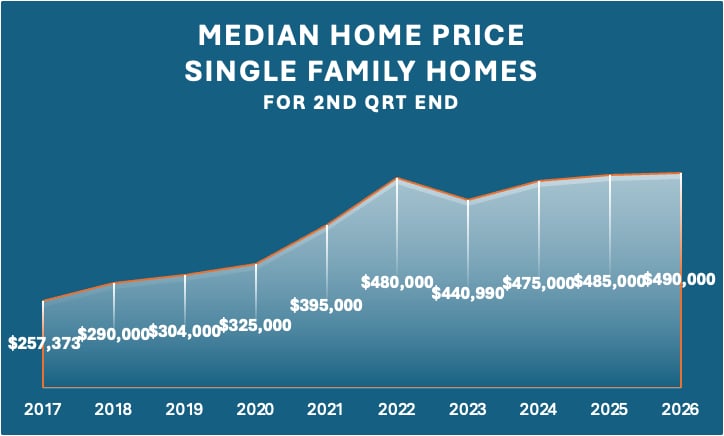
Someone who purchased the median-priced single-family home in 2017—approximately eight years ago—has accumulated roughly $227,000 in equity through appreciation alone.
That equates to approximately $29,000 per year in wealth creation before considering principal reduction through mortgage payments.
Few investments have historically provided comparable long-term wealth creation while simultaneously providing housing.
2. Financial Stability and Wealth Building
Although rents softened during the first quarter of 2026, leasing activity strengthened during the second quarter and rents have already begun moving higher again.
With a fixed-rate mortgage, the principal and interest portion of your monthly payment remains consistent regardless of future rent increases. Each mortgage payment also reduces your loan balance, gradually increasing your equity.
Many prospective buyers tell us they could rent and invest the monthly savings instead.
Our follow-up question is always the same:
"How much have you actually invested during the years you've been renting?"
The answer is almost always very little.
Most people have good intentions, but relatively few consistently invest the difference over long periods. Homeownership creates a disciplined, automatic wealth-building strategy through principal reduction and appreciation.
There is also another important benefit: stability.
Homeowners decide when they move. Renters remain subject to lease renewals, rent increases, or a landlord deciding to sell or occupy the property.
Homeowners vs. Renters: Net Worth Comparison
Survey Year | Median Net Worth – Homeowners | Median Net Worth – Renters | Homeowner: Renter Ratio |
2013 | $195,400 | $5,300 | 36.9× |
2016 | $231,400 | $5,700 | 40.6× |
2019 | $255,000 | $6,300 | 40.5× |
2022 | $396,200 | $10,400 | 38.1× |
Key observations:
– Median homeowner wealth nearly doubled between 2013 and 2022.
– Median renter wealth also increased but remained near $10,000.
– Throughout the decade, homeowners maintained approximately 38 to 41 times the median net worth of renters.
Source: Federal Reserve Survey of Consumer Finances (SCF)
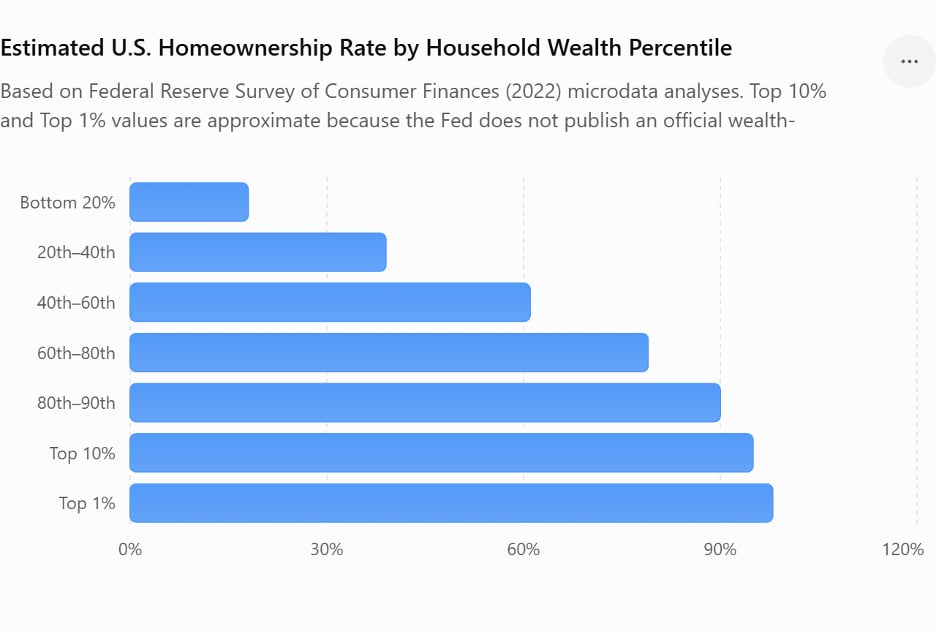
Bottom line: Homeownership remains one of the most effective long-term strategies for building household wealth. It is no coincidence that the overwhelming majority of higher-net-worth American households own real estate.
3. Quality of Life
Owning a home provides benefits beyond financial returns.
Homeownership allows you to personalize your living space, renovate to fit your lifestyle, and enjoy the pride and stability that comes from owning your own home rather than living under someone else's rules.
Making Well-Informed Decisions
Good decisions begin with good information.
Understanding current market conditions allows both buyers and sellers to make confident, informed decisions rather than reacting to headlines.
Greater Las Vegas Housing Market
Second Quarter 2026
The most notable year-over-year changes include:
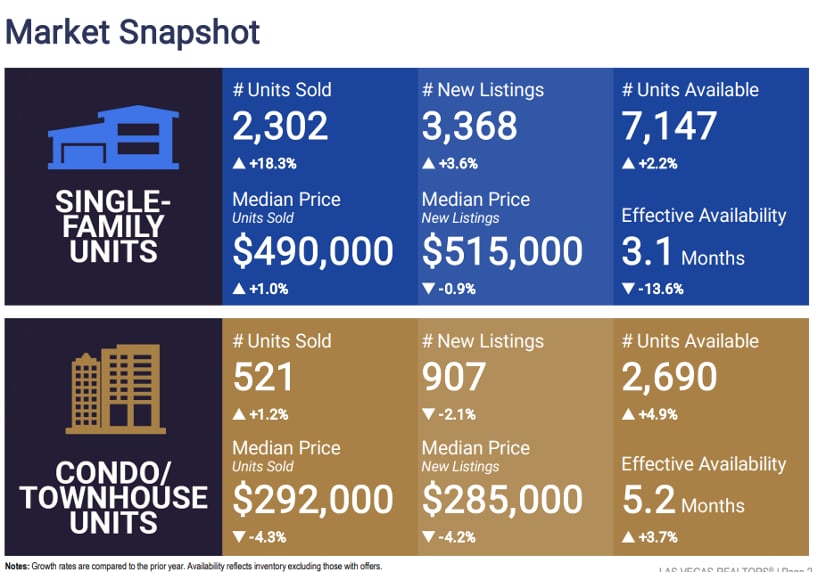
– Single-family home sales increased 4%.
– Inventory increased 6%.
– Current inventory stands at approximately 3.25 months.
This level of inventory is generally considered a balanced market, which largely explains why median home prices have remained stable despite changing economic conditions.
Where Are the Best Opportunities?
While overall market activity remains below historical averages, opportunities still exist for buyers who know where to look.
1. Condominiums
The median condominium price has declined approximately 4% year over year. Inventory has increased to more than five months, providing buyers with increased negotiating leverage.
2. New Construction
Following the surge in demand after the pandemic, many builders increased both production and pricing. As buyer demand normalized, builders began adjusting prices and offering attractive financing incentives.
Because many national builders are publicly traded companies, they often adjust pricing and incentives to meet quarterly sales goals.
These incentives frequently include mortgage rate buy-downs, closing cost assistance, or other financial incentives that significantly improve affordability. Incentives can change weekly—and sometimes daily.
Our team monitors builder pricing and incentive programs every week to help our clients identify the strongest opportunities across Southern Nevada's new home communities.
Bottom Line
The housing market is constantly evolving, but successful real estate decisions are rarely made by reacting to headlines alone. They are made by understanding the underlying trends, evaluating the data, and aligning those facts with your personal financial goals. Whether you are considering buying, selling, investing, or simply planning for the future, having current market knowledge allows you to make confident, informed decisions. If you would like to discuss how today's market conditions specifically affect your situation, our team is always available to provide straightforward advice, local expertise, and guidance tailored to your individual goals.
Graham Team Real Estate • (702) 930-9551 • Team@grahamteamnv.com
Instagram | Facebook | YouTube | LinkedIn | TikTok
3007 W Horizon Ridge Pkwy, Ste. 210, Henderson, NV 89052
The State of Southern Nevada in the Mid-Year 2026 Housing Report
Two Years of Stagnant Median Home Prices ($480,000 - $485,000)
Why National Headlines Mislead Local Las Vegas Buyers
Comparing Real Sales Prices vs. Initial Asking Prices
The Risk of Overpricing: List Price vs. Sales Price Realities
The Psychology of Buyer Skepticism on Stale Listings
Why Overpriced Homes Ultimately Sell for Less
Pricing Strategies for Greater Las Vegas Sellers in 2026
The Affordability Crisis and Its Impact on Home Values
Why Local Households Struggle to Qualify at the $480,000 Median
Household Income vs. Home Price Growth Discrepancies
The Role of Las Vegas Hospitality Sector Revenue on Local Wages
How Mortgage Interest Rates Will Dictate the Next Market Shift
Current Rate Environments and Buyer Purchasing Power
Will Projected Rate Cuts Unlock Pent-Up Demand?
The Balance Between Monthly Payments and Purchase Prices
Inventory Trends and Housing Supply in Greater Las Vegas
Analyzing Months of Inventory: Are We in a Buyer's or Seller's Market?
How the Mortgage Rate 'Lock-In' Effect Limits Resale Supply
The Influence of Builder Incentives and New Construction
Strategic Advice for Las Vegas Buyers and Sellers in 2026
Navigating Today's Flat Market: Tips for Prospective Buyers
How Sellers Can Win With Realistic Pricing and Marketing
What to Expect for the Remainder of the 2026 Housing Market