
Is Renting Costing You More Than You Think?
Written by Graham Team · Graham Team Real Estate Advisors — Henderson & Las Vegas, NV · Contact
Stop paying your landlord's mortgage. Learn how buying a home builds long-term wealth and why renting might actually be costing you more than you…
Dated: June 11 2025
Renting Feels Safer, But Is It Actually Costing You More?
You’ve probably asked yourself recently: “Should I even try to buy a home right now?”
Totally fair question. Between elevated home prices and mortgage rates, renting can feel like the logical (or only) option. Sometimes it is. You should only buy when you’re ready and it makes sense for your finances and lifestyle.
But here’s the reality, renting may feel easier now but it could be sabotaging your financial future.
According to Bank of America, 70% of would-be buyers are already worried about how long-term renting might delay or derail their goals. They’re not wrong. Renting comes with trade-offs—and one of the biggest is lost wealth-building potential.
How Homeownership Builds Real Wealth
Buying a home isn’t just a lifestyle move, it’s a financial strategy. Here's why:
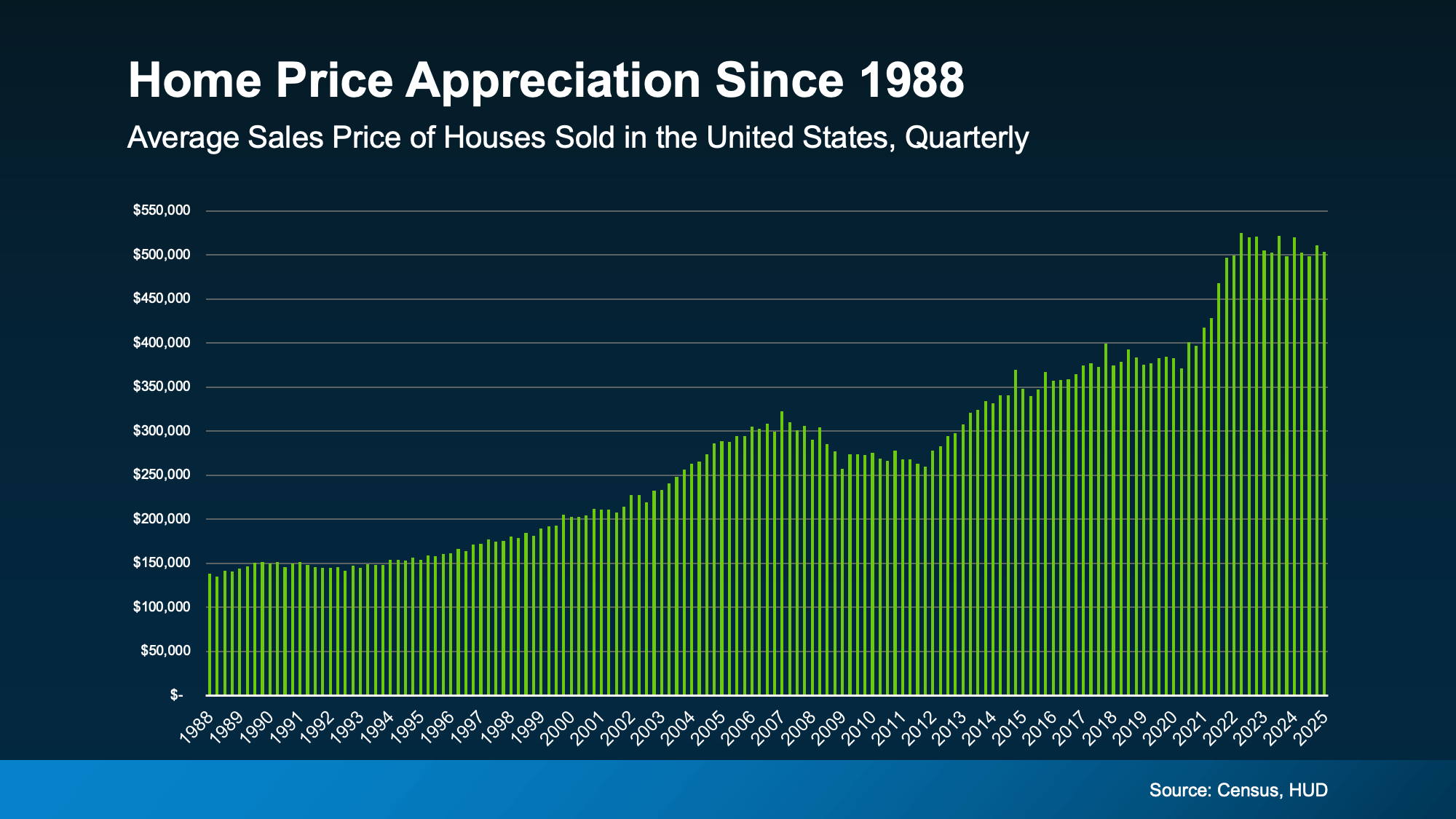
- Home values tend to rise over time (see graph below)
- Equity builds with every mortgage payment
- That equity becomes part of your net worth
And this isn’t some niche advantage. It’s massive.
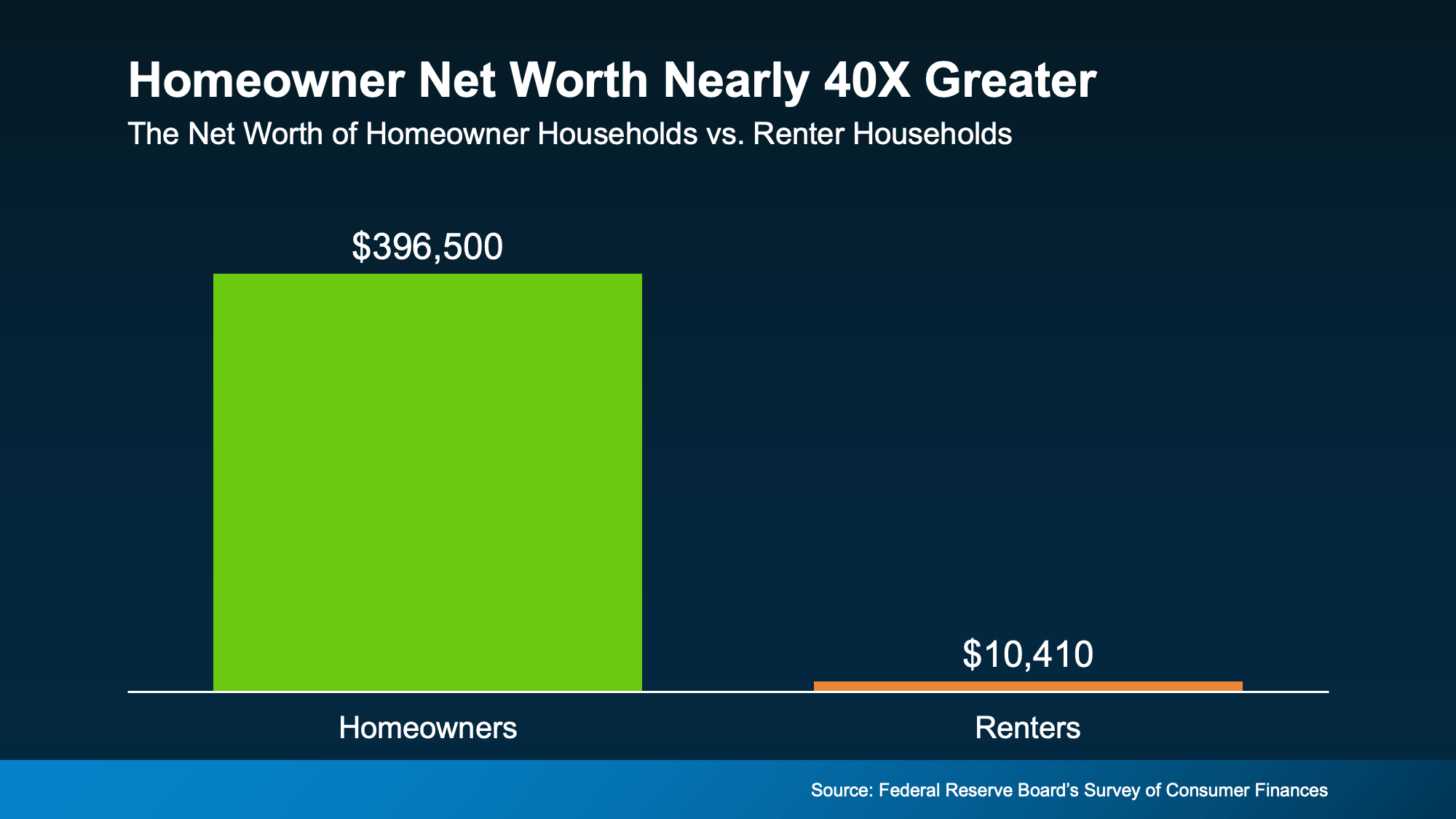
The Federal Reserve reports the average homeowner’s net worth is nearly 40x that of a renter. See graph below.
Homeownership is the single biggest wealth builder for most Americans. And delaying that purchase—while understandable—often just makes it harder (and more expensive) to enter the market later.
You're Paying a Mortgage Either Way
Let’s be blunt:
- Renting = paying your landlord’s mortgage
- Owning = paying your own
And only one of those payments comes back to benefit you.
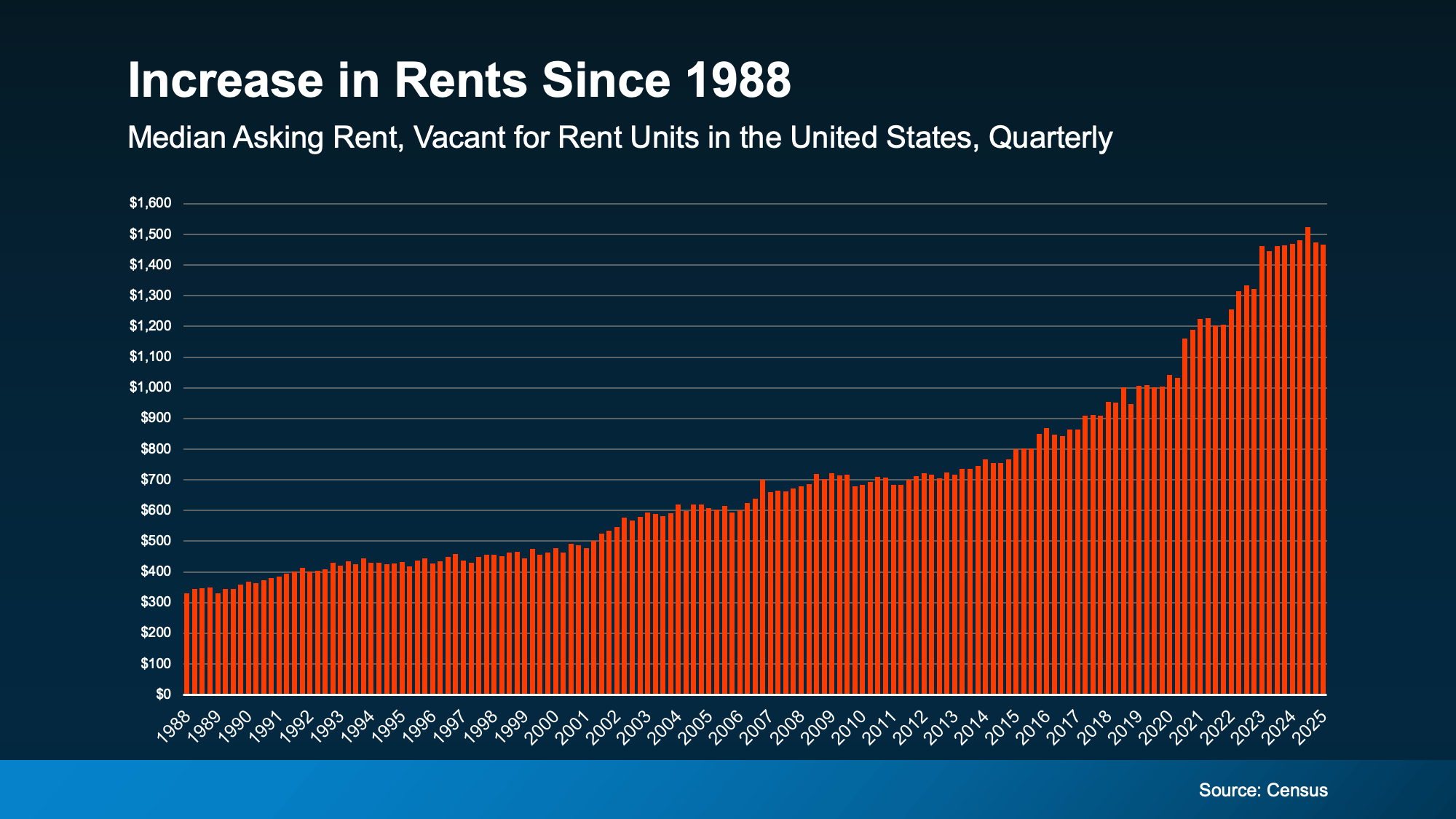
Sure, renting might feel flexible, less expensive, and lower stress right now. But over time? Rents rise, and you build zero equity. Plus, saving while renting can be brutal—especially when rent increases keep eating into what could be your down payment fund.
Even Realtor.com economist Joel Berner says:
“Households working on their budget will find it much easier to continue to rent than to go through the expenses of homeownership. However, they need to consider the equity and generational wealth they can build up by owning a home that they can’t by renting it. In the long run, buying a home may be a better investment even if the short-run costs seem prohibitive.”
Rent or Buy? Here’s What Really Matters
Here’s the bottom line: Renting might be cheaper today. But buying is what helps you win the long game.
If you’re feeling stuck or unsure about timing, that’s okay. It’s normal. What matters most is having a plan—and a real estate partner who helps you stick to it. This isn’t about buying now if you’re not ready. It’s about not waiting forever without a strategy.
Your Exit Plan from Renting
If homeownership feels out of reach right now, you’re not alone. But there’s a path forward.
We can:
- Assess your financial readiness
- Set smart, achievable homeownership goals
- Connect you with a trusted local lender
- Create a timeline that makes sense for your life and budget
📞 Let’s talk about your plan to own—not just rent forever. Call 702-930-9551 today.
Graham Team Real Estate • (702) 930-9551 • Team@grahamteamnv.com
Instagram | Facebook | YouTube | LinkedIn | TikTok
3007 W Horizon Ridge Pkwy, Ste. 210, Henderson, NV 89052
Frequently asked questions
Is renting costing you more than you think in the long run?▾
Yes, renting often costs more over time because you build zero equity while facing inevitable rent increases. When you rent, 100% of your monthly payment is gone forever, helping your landlord build wealth. Homeownership acts as a forced savings account that builds long-term net worth through price appreciation and principal paydown.
How does renting affect my long-term net worth compared to buying?▾
Renting significantly limits your wealth-building potential. According to the Federal Reserve, the average homeowner's net worth is nearly 40 times greater than that of a renter. Because renters miss out on property appreciation and equity accumulation, continuing to rent can delay or even derail your long-term financial goals.
Why do real estate experts say renters are still paying a mortgage?▾
Every month you pay rent, you are paying a mortgage—it is just your landlord’s mortgage instead of your own. When you transition to homeownership, your monthly housing payment is redirected into an asset you own, allowing you to build personal equity rather than funding someone else’s retirement.
Should I wait for mortgage rates or home prices to drop before I stop renting?▾
Waiting for lower rates can backfire. When mortgage rates drop, buyer demand typically surges, driving home prices higher. By purchasing now, you start building equity immediately and can always refinance when rates decline. Delaying your purchase to keep renting often costs you more in lost appreciation than you save.
How do annual rent increases impact my financial future?▾
Landlords can raise your rent annually, which makes budgeting difficult and eats into your ability to save. A fixed-rate mortgage locks in your principal and interest payments for up to 30 years. This offers long-term financial predictability and protects you from inflation, unlike renting, which exposes you to rising market rates.
When does renting make more sense than buying a home?▾
Renting makes sense if you plan to move within two to three years, need maximum lifestyle flexibility, or need time to repair your credit. However, if you plan to stay in one place longer, renting costs you more through missed equity and rising rental rates that outpace a fixed monthly mortgage.